Therapy Isn’t Weakness — It’s Strategy
There’s this old belief that won’t seem to die — that therapy is only for people who are falling apart. That if you’re in therapy, something must be wrong with you.
4/3/20254 min read
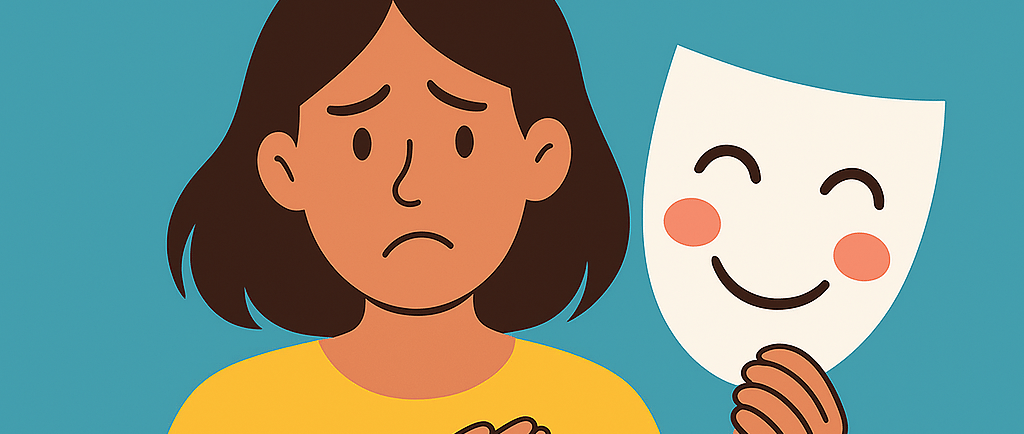
There’s this old belief that won’t seem to die — that therapy is only for people who are falling apart. That if you’re in therapy, something must be wrong with you. Maybe you’ve heard it. Maybe you’ve believed it. But let’s get one thing straight: going to therapy doesn’t mean you’re broken. It means you’re brave enough to care about your mind. It means you’re smart enough to want more clarity, more peace, more control. Therapy isn’t about weakness. It’s about strategy.
The strongest people you know — the ones who seem grounded, calm under pressure, and emotionally mature — many of them are in therapy. Not because they’re falling apart, but because they don’t want to. They see therapy for what it actually is: a space to check in, get honest, and keep evolving. It’s not a last resort. It’s a tool. And the people who use it aren’t weak — they’re intentional. They’re self-aware. They’re playing the long game with their mental and emotional health.
Let’s flip the narrative. Therapy isn’t something you turn to only when life hits hard — although it’s a powerful resource during tough seasons. It’s also where you go when things are fine, but you want to understand yourself better. It’s where you explore patterns, improve how you show up in relationships, unpack stress, and learn how to respond to life instead of just reacting to it. It’s not about fixing what’s “wrong.” It’s about building what’s right.
Think of it this way: you don’t wait until your car breaks down to get it serviced. You don’t ignore your physical health until you're in the hospital. Mental health should be no different. Proactive care is powerful. And therapy? It’s the maintenance, the alignment, the mental reset that keeps everything else running smoothly.
High performers get this. Top athletes, business leaders, creatives, parents, partners — many of them use therapy as a quiet advantage. Not because they can’t handle life, but because they want to handle it better. They want to clear mental clutter, stay emotionally balanced, and keep their values front and center. They want tools, not just coping mechanisms. They want to live with intention, not exhaustion.
Still, a lot of people hesitate. One of the most common things we hear is, “I already talk to my friends. Isn’t that enough?” Look, community is essential — having people who love you and want the best for you is a beautiful thing. But it’s not the same as therapy. Friends care, but they’re also in your story. They have opinions, reactions, and emotional stakes. A therapist is different. They’re trained to be neutral, to help you see clearly, to challenge you gently and support you deeply — without bringing their own baggage into it.
Therapy also gives you a space that’s fully yours. No need to filter, perform, or hold back. You get to show up exactly as you are — even if you don’t fully know who that is yet. Sometimes, therapy is quiet and reflective. Sometimes it’s tough and confronting. Sometimes it’s full of lightbulb moments that shift how you see yourself forever. Over time, you build self-trust. You start catching your old habits before they run the show. You stop spiraling and start pausing. That’s what emotional strength really looks like — not never struggling, but knowing how to navigate the hard stuff with clarity and grace.
Let’s be real: most people are just trying to get through the day. Running on autopilot, reacting to stress, repeating the same loops. Therapy gives you space to zoom out. To look at the big picture. To ask better questions like, “Why do I always feel like I have to prove myself?” or “Why do I avoid conflict, even when it hurts me?” or “What do I actually want from this season of my life?” Those aren’t questions we usually stop to ask — and therapy gives you the space to answer them.
If you’ve been considering therapy but keep pushing it off, ask yourself: what’s the story that’s stopping you? Is it that therapy means you’re not strong? That your problems aren’t serious enough? That other people have it worse, so you should just tough it out? Those stories are lies. You don’t need to earn support by falling apart. You don’t need a crisis to start healing or growing. You just need the willingness to get curious about your own mind.
Here’s the real flex: knowing yourself. Being emotionally fluent. Having the awareness to say, “I notice this pattern, and I want to shift it.” That’s power. That’s leadership. That’s the kind of quiet confidence that comes from doing the inner work. And therapy is one of the most effective places to do that work.
So, if no one has said it to you directly: therapy is not a red flag. It’s a green light. It means you care enough about your life to live it fully. To process things before they pile up. To hold space for both your pain and your potential. It means you’re ready to grow — not because you’re broken, but because you know there’s more to you than what’s on the surface.
Therapy isn’t a backup plan. It’s part of the blueprint. It’s not a breakdown response — it’s a breakthrough strategy. And if you’re ready to explore it, that’s not weakness talking. That’s wisdom.
Ready to take the next step? You don’t need to have all the answers — you just need to be open to the questions. Whether you're looking for clarity, support, or growth, therapy can be the place where real change starts. You don’t have to wait for things to get worse to want something better.